Condensing three decades protecting watershed resiliency and natural processes in coastal watersheds on Washington’s Olympic Peninsula, this talk will share lessons for maintaining regenerative forests and native plant communities through watershed-scale coordinated prevention and control of invasive exotic plant species that arrest forest growth and successional processes.
Recovery of riverine, riparian and floodplain functions including the Large Wood Cycle are based on foundational services of native plant communities evolved in this region since glaciation. In the dynamic channel migration zones of alluvially-bedded coastal rivers where stable large wood accumulates mobile sediments, early successional plant communities of willow and alder grow atop erosion-resistant hard points. On recently formed bars where populations of invasive exotic plant species establish, early successional processes are arrested or eliminated through competition, allelopathy, alterations in sediment transport, soil nutrients, and water availability, resulting in loss of heterogeneity and associated biodiversity, and slowing development into functioning forest.
Projects in the Quinault, Queets, and Hoh watersheds focus on sources, vectors, and pathways of invasive plants and understanding life history strategies, seed bank longevity, and transport mechanisms. This approach has grown into effective and strategic prevention at all levels of resource management and restoration; demonstrating ecological and economic benefit and increasing long-term restoration in naturally regenerative riparian forests.
Included will be a brief overview of applied research needs, and discussion of challenges and strategies for integrating programmatic invasives prevention and control within salmon recovery and watershed restoration programs, and why we must maintain regenerative native plant communities and the Large Wood Cycle in watersheds increasingly affected by the changing climate.
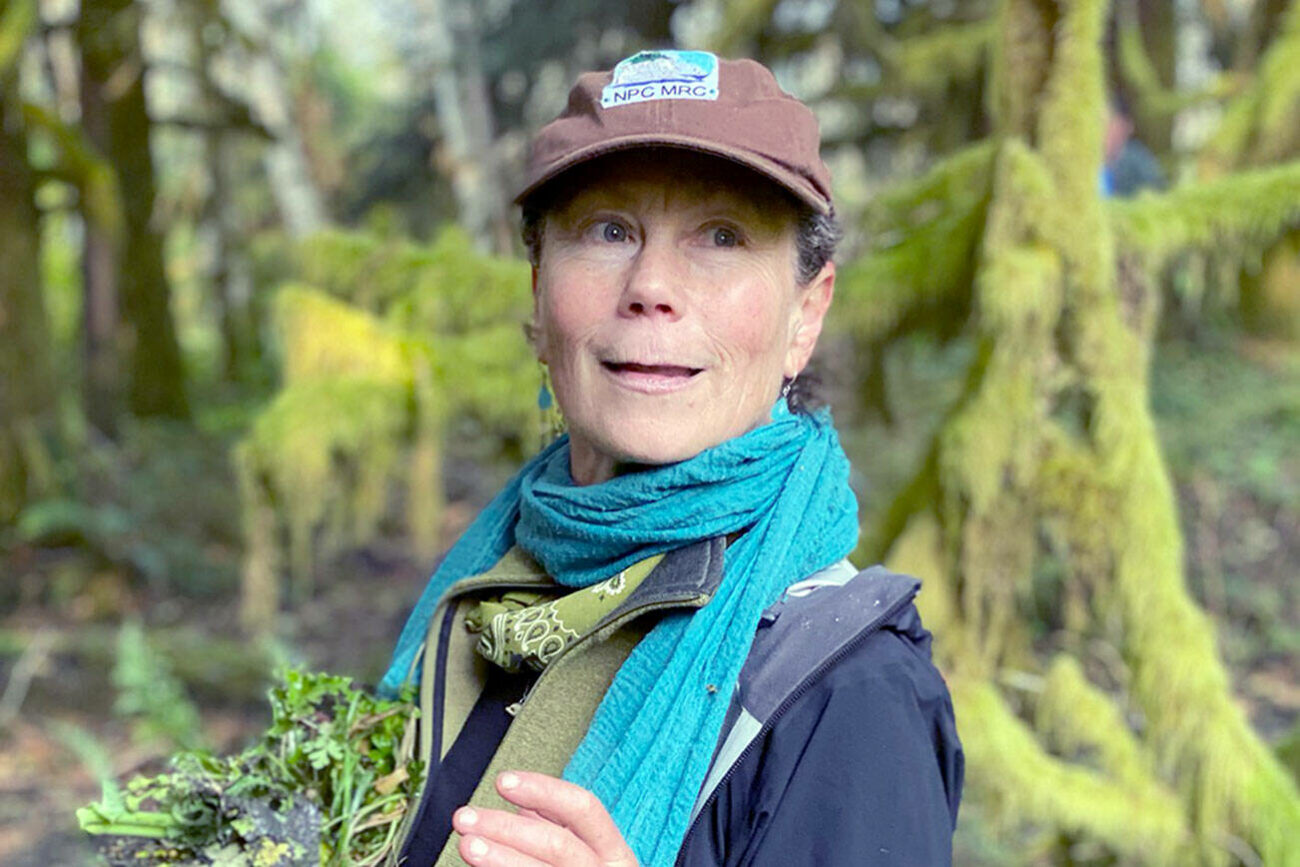
Jill is a watershed ecologist and Executive Director of the non-profit 10,000 Years Institute since 2001, with experience in applied research, watershed planning, habitat restoration, and development of invasive species prevention and control programs in Olympic Peninsula coastal watersheds. After earning a B.A.S in Environmental Studies & Sciences from TESC, Jill spent nine years with the Hoh Indian Tribe, where she developed research and restoration programs supporting watershed conservation and management practices to protect ecosystem services, build community and climate resilience, and create local jobs in stewardship. These continue at 10KYI, with diverse partnerships and growing investment in natural climate solutions of regenerative forests. Trees Are The Answer!